10 November 2026
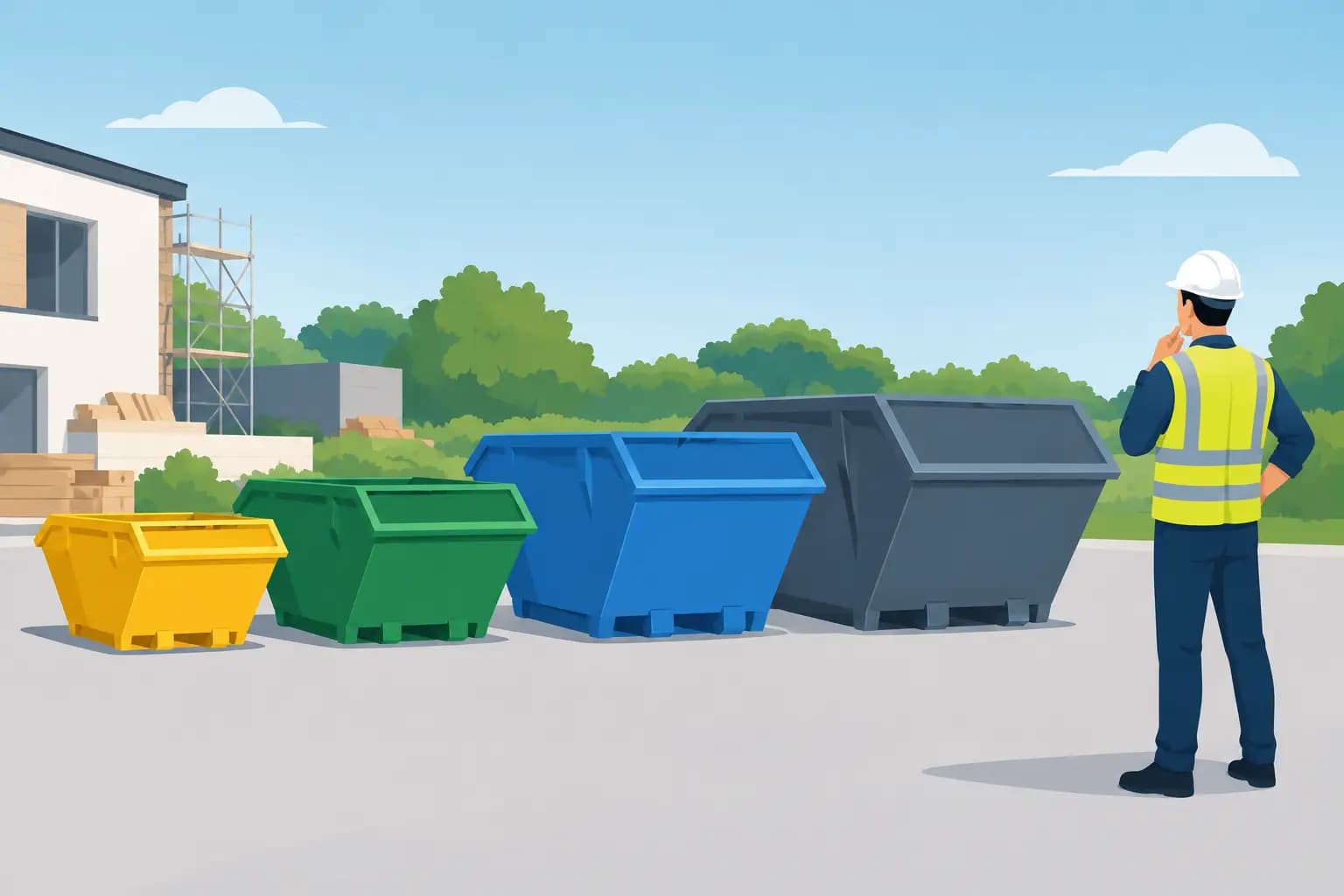
A two-metre bin can disappear quickly once you start clearing a garage. On the other hand, ordering a bin that is far too large means paying for space you will not use. Getting skip bin sizes right comes down to three things: the type of rubbish, the amount you expect to have, and where the bin needs to go.
For a Sydney clean-up, renovation or work site, it also pays to think about access before delivery day. A narrow driveway, shared apartment area or busy street can affect which bin works best. Tell us about the job, and we can help match the bin to it.
Skip bin sizes available for Sydney jobs
Lego Skip Bin supplies seven bin sizes, from compact 2m³ bins through to large 13m³ bins. The cubic metre figure refers to the volume inside the bin. As a rough guide, one cubic metre is about the size of a standard box trailer load, but loose rubbish can take up more room than people expect.
The right size is not always the smallest bin that technically fits your waste. A little spare room is useful, especially for mixed household rubbish, renovation offcuts and green waste with branches that do not stack neatly. You cannot load rubbish above the rim, so a bin that is filled too high may need material removed before collection.
2m³ bins for small tidy-ups
A 2m³ bin suits smaller jobs where rubbish has been building up but you are not gutting a room. Think garden clippings, a few broken household items, boxes from a storage area, or a light clean-out before moving.
This size can be a sensible choice where space is tight. It is often easier to position in a compact driveway or near a townhouse, provided there is safe truck access. It can fill faster than expected with bulky items such as lounges, mattresses or large branches, so do not base your estimate on bags alone.
3m³ and 4m³ bins for household rubbish
For most garage, shed and household decluttering jobs, a 3m³ or 4m³ bin gives more breathing room. These sizes are commonly used for a room-by-room clean-out, old furniture, worn-out outdoor settings, carpet, boxes and general rubbish left behind after tenants move out.
They also suit smaller garden projects where there is a mix of green waste and old materials. If you are clearing a yard with soil, pavers, tree stumps or concrete as well as branches, mention this when requesting a quote. Dense materials are managed differently from light, bulky rubbish.
5m³ and 6m³ bins for renovation work
A kitchen refresh, bathroom renovation, deck removal or several-room clear-out usually creates more waste than expected. Cabinet carcasses, plasterboard, timber, tiles, packaging and old fittings take up space quickly. A 5m³ or 6m³ bin is often the practical middle ground for these jobs.
For renovators and trades, choosing one of these sizes can reduce the risk of needing a second bin halfway through demolition. That said, larger is not automatically better if the available placement area is limited. Check the driveway, gate width, turning room and overhead clearance before deciding.
8m³ bins for bigger clean-outs and site waste
An 8m³ bin suits substantial household clean-ups, larger landscaping work and active renovation sites. It is a good option when several rooms are being cleared, a property is being prepared for sale, or a builder needs room for ongoing light construction waste.
This size works well for bulky materials, but it needs a suitable drop-off point. If delivery is to a shared driveway, strata complex or apartment site, make sure the property manager has approved the location. A bin should not block access, create a hazard or prevent neighbours from using shared areas.
10m³ and 13m³ bins for major projects
For major renovations, commercial clear-outs, building work and large volumes of bulky rubbish, 10m³ and 13m³ bins are the better fit. They are commonly used for extension work, office or retail strip-outs, landscaping projects and sites where waste will be generated over several days.
These bins can save time compared with arranging multiple smaller services, but access is the deciding factor. A large bin requires more room for the truck to deliver and collect safely. Let us know if there are low branches, powerlines, steep driveways, gates, parked cars or a narrow street outside the property.
How to choose between skip bin sizes
Start by looking at what is actually being thrown out. Light, awkward rubbish fills a bin by volume. Old cupboards, furniture, cardboard, branches and insulation may not be heavy, but they take up plenty of room. Heavy waste such as bricks, tiles, soil, concrete and sand can reach weight limits well before a large bin looks full.
Next, consider whether the job will grow once you start. Many clean-ups begin with a few unwanted items and end with a full shed, spare room or side passage being cleared. If you are unsure between two sizes, a slightly larger bin can be the safer choice for mixed waste. It avoids a rushed second booking and keeps the job moving.
Finally, plan where the bin will sit. A driveway is often the simplest option because it avoids street placement issues. If it needs to go on a nature strip or road, you may need a council permit. Permit requirements vary across Greater Sydney, so it is best to check with the relevant local council before booking. The person hiring the bin is generally responsible for arranging any required permit.
Waste type matters as much as bin volume
Before choosing a bin, separate out anything that may be restricted or prohibited. Hazardous materials should never be placed in a general skip bin. This includes asbestos, chemicals, paint, gas bottles, batteries, oils and other dangerous waste.
Some materials also need to be quoted correctly because they are heavy or require particular disposal arrangements. Soil, concrete, bricks, tiles, turf and treated timber are good examples. Tell us whether the bin will hold clean green waste, general household rubbish, building waste or a mix. A clear description helps avoid surprises and ensures the right bin is sent.
Do not rely on compressing everything at the end. Rubbish must stay below the top edge of the bin for safe transport. Break down boxes, place flat items along the base where possible, and load bulky pieces first. Keep long timber and branches within the bin rather than resting across the sides.
Delivery access can change the best choice
The bin has to fit your rubbish, but the truck also has to reach the property. This is particularly relevant in Sydney suburbs with tight streets, terraces, apartment blocks and steep driveways. Measure the available space if you can, and consider any obstacles between the road and the proposed bin location.
For apartment and strata jobs, confirm who can approve delivery and whether there are set times for truck access. For building sites, make sure the driver has a clear, safe area to place the bin without blocking trades, materials or site entry. Moving vehicles out of the driveway before delivery makes the process quicker.
A standard hire period is seven days, which suits most clean-ups and renovation stages. If your timeline is shorter, longer or urgent, say so when you enquire. Booking early is helpful for planned projects, while calling is the best option when you need urgent delivery and want to check availability.
Get the bin sorted before the rubbish piles up
The easiest way to choose is to describe the job honestly: the waste type, rough volume, address, access details and preferred delivery dates. You will receive a tailored quote before you commit, with the price and practical details confirmed.
Whether you need a compact bin for a weekend clear-out or a 13m³ bin for a major site, a quick conversation can prevent an expensive guess. Tell Lego Skip Bin what you are clearing and where it needs to go. We will help sort the size, access and timing so you can get on with the job.
Ready to book? Request a quote or call 0402 000 221. More articles on the blog.