16 November 2026
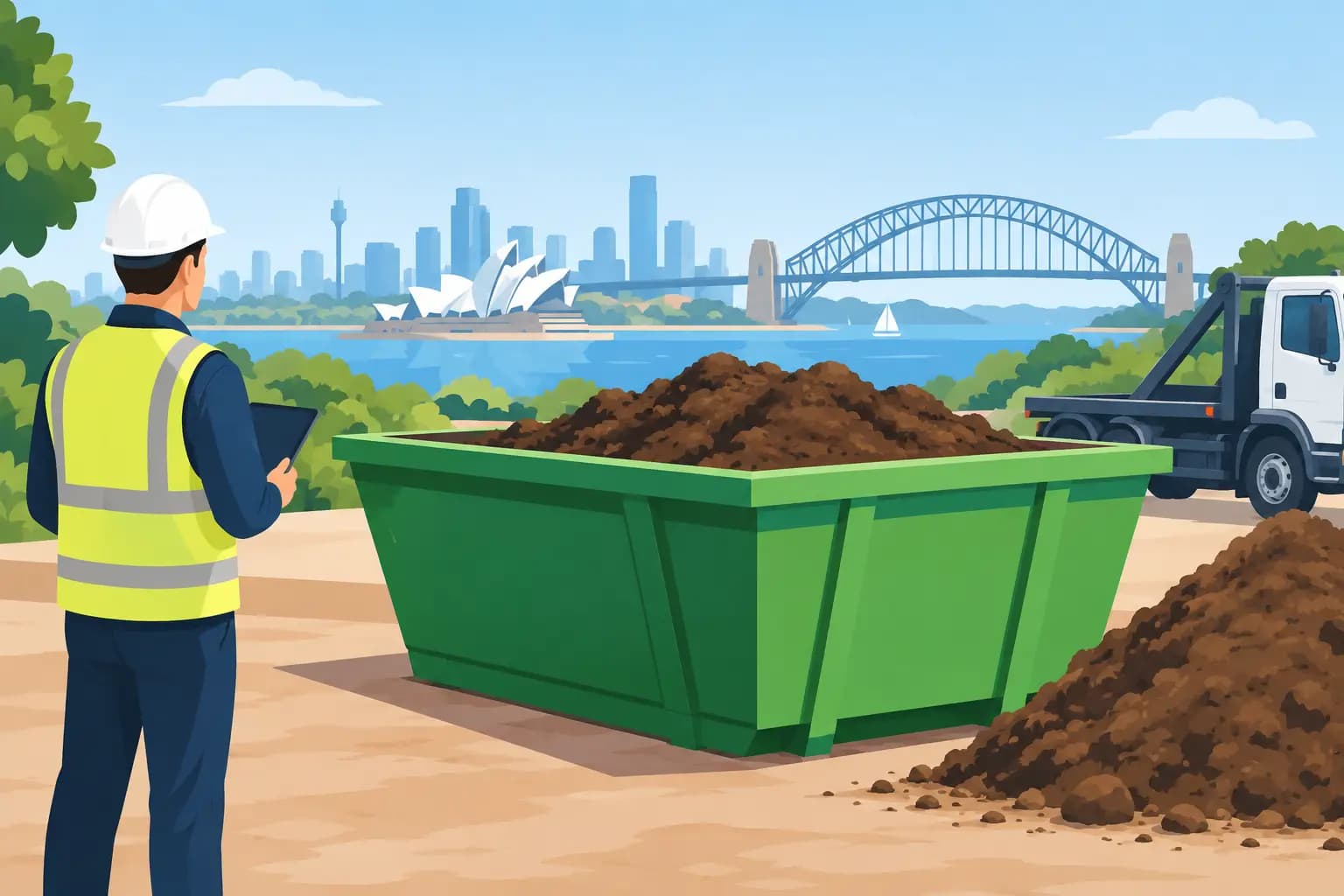
A backyard dig-out can look manageable until the soil starts piling up beside the driveway. A skip bin for soil disposal gives you one clear place to load it, but soil is not treated like ordinary mixed rubbish. The material needs to be identified properly before the bin arrives, especially if it has come from an older property, demolition area or garden bed with mixed debris.
For Sydney homeowners, landscapers and builders, the quickest way to avoid a wasted trip or extra charges is to explain exactly what is going in the bin when you ask for a quote. Tell us about the job. We’ll sort the bin.
Why soil needs its own waste plan
Soil is heavy, often wet and can be contaminated by materials that are not visible at first glance. A bin loaded with clean excavated soil is very different from one containing turf, bricks, roots, concrete, treated timber, plastic, rubble or old building materials.
Waste facilities assess soil based on what it contains, not simply what the customer calls it. Clean soil may be suitable for a different disposal pathway from mixed excavation waste. Once other materials are mixed through it, the load can become harder and more expensive to process.
This matters on jobs such as pool excavations, retaining wall work, new garden beds, drainage trenches, driveway preparation and renovation dig-outs. If you are unsure whether the material is clean, say so upfront. A clear description gives you a better chance of getting the right bin, vehicle arrangement and quote from the start.
What generally counts as clean soil?
Clean soil is excavated earth with no visible rubbish or building waste mixed through it. Depending on the site, it may include natural dirt, clay, sand and small stones. But even a mostly soil load can be rejected or reclassified if it contains contaminants.
Keep soil separate from green waste and renovation debris where possible. Turf, plants and roots might seem harmless, but they change the makeup of the load. So do pavers, concrete chunks, bricks, wire, plastic irrigation pipe and landscape fabric.
Soil from a site with a demolition history, industrial use, old fuel storage, chemical spills or suspicious material needs extra care. Never assume it is clean just because it looks like dirt. If asbestos is suspected, stop work and arrange appropriate assessment and removal. Asbestos must not go in a standard skip bin.
Choosing the right skip bin for soil disposal
The best bin size depends on the volume of soil, site access and how heavy the final load will be. Soil takes up less space than bulky household rubbish, but it adds weight quickly. That is why bigger is not always better for an earth-only job.
A compact bin can suit a small garden excavation, a narrow side path clean-up or soil removed for a new veggie patch. Larger bins may suit landscaping crews, wider excavation areas or a project where soil has been kept separate from other waste. The right choice depends on the amount of material and what the bin can legally and safely carry.
Lego Skip Bin supplies bins from 2m³ through to 13m³ across Greater Sydney. When requesting a quote, give the dimensions of the area you are digging if you can. Length, width and depth provide a useful starting point. Soil type also matters. Damp clay is far heavier than loose, dry topsoil.
A simple estimate can help, but it is only a guide. Multiply the length, width and average depth of the excavation in metres to estimate cubic metres. For example, a trench measuring 6 metres long, 0.5 metres wide and 0.4 metres deep produces about 1.2m³ of material before allowing for loose soil after digging. Ask for help if the result sits close to a bin size limit.
Think about access before you book
The bin needs a safe place to be delivered, loaded and collected. A driveway is often the easiest option, provided there is enough room and the surface can handle the vehicle and bin. Tell the booking team about steep driveways, low branches, overhead wires, tight gates, parked cars and narrow streets.
If the bin needs to sit on the road, you may need a permit from the relevant local council. Permit responsibility can vary by location, so check this before your delivery date rather than on the morning the truck arrives. Keep the area clear and make sure the driver has practical access.
For apartment sites, terrace homes and busy renovation jobs, plan the loading route as well. Barrow loads of soil through a front hall or down a flight of stairs will slow the job down. A closer bin position saves labour and reduces mess, as long as access rules allow it.
Load soil safely and keep it clean
A soil bin works best when the crew has a simple loading plan. Place a tarp or boards where needed to protect lawns and paving during excavation, then wheelbarrow the material directly to the bin. Avoid creating a large pile first if you can. Double handling soil is hard work and makes it easier for rain, leaves and rubbish to get mixed in.
Do not heap soil above the rim. Overfilled bins can be unsafe to transport and may need material removed before collection. Keep the load level and spread the soil across the base rather than building a high mound at one end.
Wet weather changes the job. Rain adds weight and turns clay into a difficult, sticky load. If heavy rain is forecast, cover excavated soil where practical and avoid filling the bin with waterlogged material unless this has been allowed for in your quote. It may be worth booking delivery closer to the day the digging starts, rather than leaving an open bin in the rain for several days.
Keep these materials out of a soil-only bin unless they have been approved as part of the waste type: household rubbish, food waste, paint, tyres, batteries, gas bottles, chemicals, liquids, treated timber, asbestos and e-waste. Hazardous materials need their own disposal method.
Separate soil from the rest of the project waste
Many projects produce more than one waste stream. You might remove soil while also pulling up old decking, pruning trees or stripping out a bathroom. Putting everything in one bin feels convenient, but it can cost more and make disposal more complicated.
If the project is large enough, separate your clean soil from general waste. Put green waste in its own pile or bin, and keep bricks, concrete and pavers aside if they are being removed in volume. This gives you more control over the job and makes it easier to explain what you need when arranging collection.
For smaller jobs, speak plainly about the mix. A bin containing mostly soil with a little turf is not the same as a bin containing soil, sleepers, tiles, plasterboard and household rubbish. The more accurate the description, the more accurate the quote.
Book around the way your job actually runs
Most soil jobs do not need a bin sitting idle for weeks. A standard seven-day hire period gives many residential and landscaping projects enough time to dig, load and finish the area. If you need the bin for longer, or you need a fast turnaround on an active site, raise it when making your enquiry.
Have your address, preferred dates, soil type, estimated volume and access details ready. Photos can also help explain a tight driveway, a sloping block or the location of the excavation. If the job is urgent, call rather than waiting for a form response.
Direct booking confirmation matters. You want to know the price, waste type, delivery location and collection plan before the bin is on the way. That is particularly useful when excavation has been scheduled around trades, machinery hire or a concrete pour.
A soil removal job is easier when the waste plan is made before the first shovel goes in. Set the soil aside cleanly, choose a bin that suits the weight and access, and ask questions early if the site history or material is uncertain. That leaves you free to get the ground ready for what comes next.
Ready to book? Request a quote or call 0402 000 221. More articles on the blog.